Design systems match code
A designed button and a coded button with the same name and different behavior is a defect generator that produces one bug per screen. In Sparkbox’s 2022 survey of 183 design system maintainers, 37 percent named parity between design and code a top challenge, just behind technical debt. Zeroheight’s 2026 report found only 7 percent of respondents described their system as fully adopted across all teams.
So treat parity as something to be demonstrated. Ask for a published Storybook instance showing states as they’re actually coded or a reconciliation record listing discrepancies found and how each one was closed. The design system lead should own it, with a front-end lead confirming the coded components. Agencies that maintain design systems well keep that record because they need it themselves. Agencies that describe design systems in the abstract have a Figma file and a hope.
Dependencies surface before handoff
Content, data access, and third-party application programming interface (API) limits each have a lead time, and each one blocks a screen that looks finished. The dependency an agency discovers during handoff becomes your delay.
The same 2014 PMI report found that 5.1 percent of every dollar spent on projects and programs is wasted due to poor requirements management, which is largely a story about things nobody confirmed in time. A product requirements document that lists features without listing what those features depend on is half a document. Ask for a dependency register from a past engagement showing the owner of each item and the fallback if it didn’t arrive. Fallbacks are the tell. Teams that have been burned write them down.
Designers review working builds
A tidy Figma file is not a handoff. Without states, annotations, dependency owners, and a build review, it is a picture of intent. Design quality assurance belongs in staging throughout implementation.
The cost of late defects is well documented. A 2002 NIST-commissioned RTI study estimated the annual cost of inadequate software testing infrastructure in the US at $22.2 to $59.5 billion. Catching a spacing error against a design system token in staging costs minutes. Catching it after release costs a hotfix. Ask for build review records: what was flagged and who signed off.
Post-launch triage has owners
Something will break. The 2024 DORA report put change failure rates at around 5 percent for elite performers and roughly 40 percent for low performers, so the question is not whether something breaks but how fast the failure is classified and who owns it.
Atlassian's three-tier model is a reasonable benchmark: a SEV 1 is critical with a customer-facing service down for everyone, and SEV 2 affects a subset. Ask for a sample triage process covering:
-
Severity definitions with examples drawn from a real release, not a template
-
A named owner per severity level and the expected response window for each
-
The cadence of the post-launch review and how long the agency stays on it
Compare proof consistently
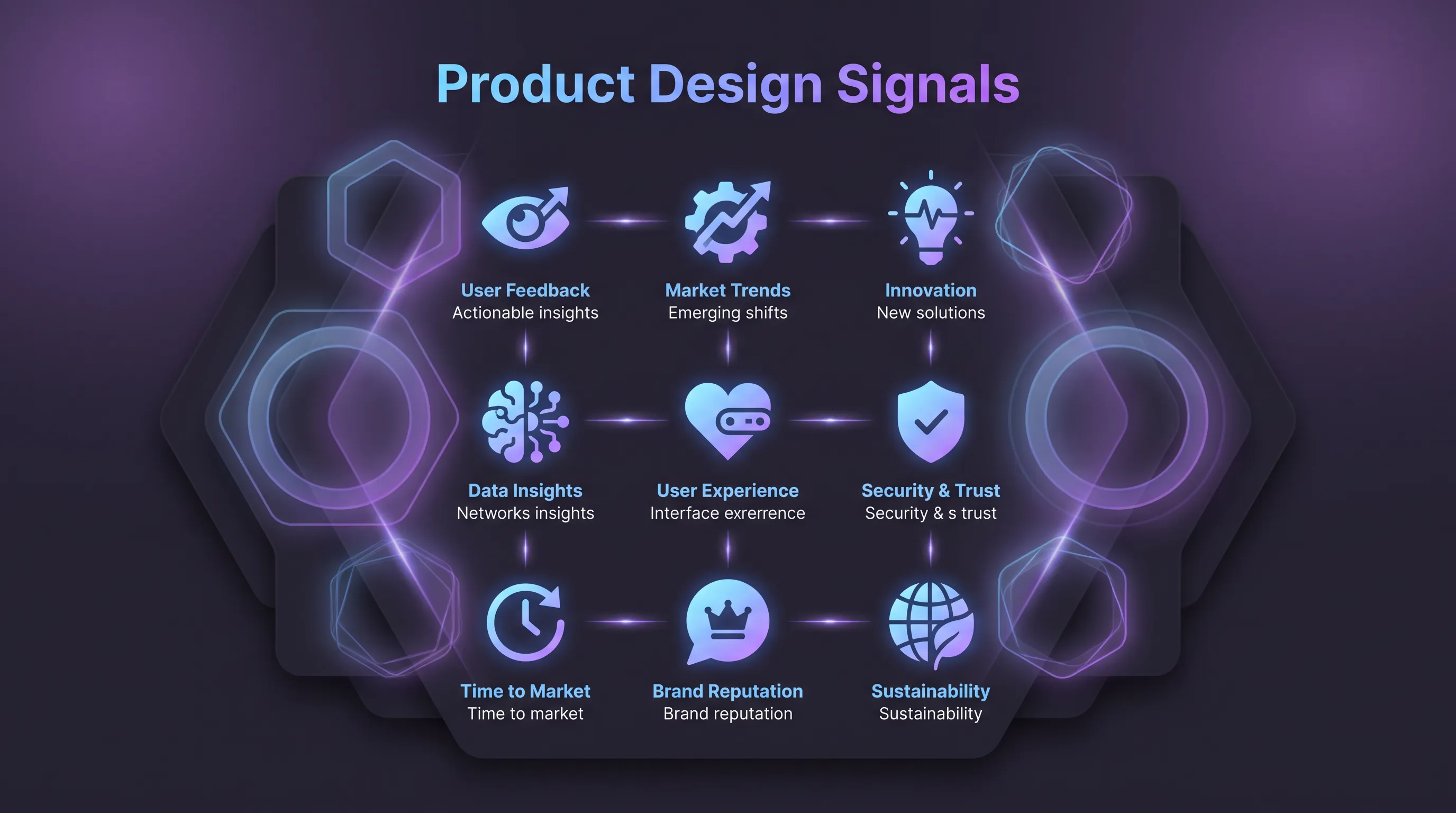
Score each candidate on the same nine signals and ask one question of every answer: did they hand you an artifact and a name, or a philosophy? Documented beats confident. An agency that can't produce a dependency register or a filled-in product requirements document after two conversations won't produce one in week nine.
Praetorix Foundry works this way: senior designers and engineers on one accountable team, no junior handoffs. Book a discovery call and bring the same scorecard you’d use on any product design agency.